
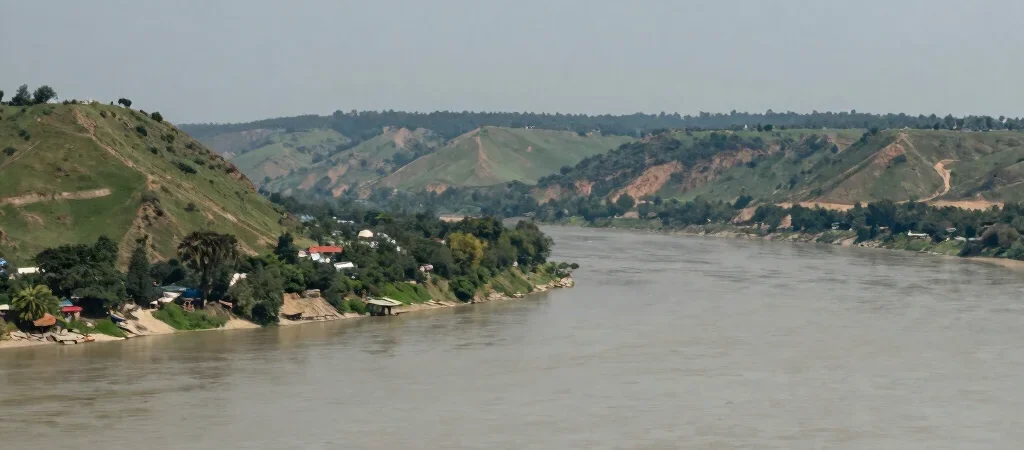
A map can make a historical name look fixed: one label, one boundary, one continuous story. Kamarupa is better approached as a historical region whose extent and meaning depend on the period and source being discussed. Its association with the Brahmaputra valley and areas of present-day Assam offers orientation, not a timeless border.
Read the Place Historically
Kamarupa appears in historical records in changing political and geographic contexts. The term Kamarupa Mandala may also be used in particular sources or later descriptions, so an entry should identify where the term comes from instead of treating every use as interchangeable. Present-day state boundaries can help readers locate a broad area, but they do not reproduce the past.
Importance Is Not Origin
The region is important in discussions of South Asian religious history, including traditions associated with Tantra and Shakta worship. The Kamakhya temple at Nilachal Hill, near present-day Guwahati, is a prominent point of reference in that history. Its significance does not by itself establish that Tantra began in Kamarupa; that larger claim requires specific evidence and remains a question to handle with care.
Show What Evidence Can Say
A careful account distinguishes what a source records from what later readers infer. It notes the source’s date, location, and point of view, then explains where scholars disagree or where the record is incomplete. For readers, the practical takeaway is simple: treat Kamarupa as a historically layered place, not as a shortcut for explaining every Tantric tradition.