Tantrapedia is a reference on Tantra, the historic Kamarupa Mandala where many of its lineages took shape, and the Indigenous communities of that region and the world. Entries are sourced, dated, and clear about what is documented and what is debated.
Each strand is kept distinct so that texts, places, and living communities can be read on their own terms and in relation to one another.
Textual corpora
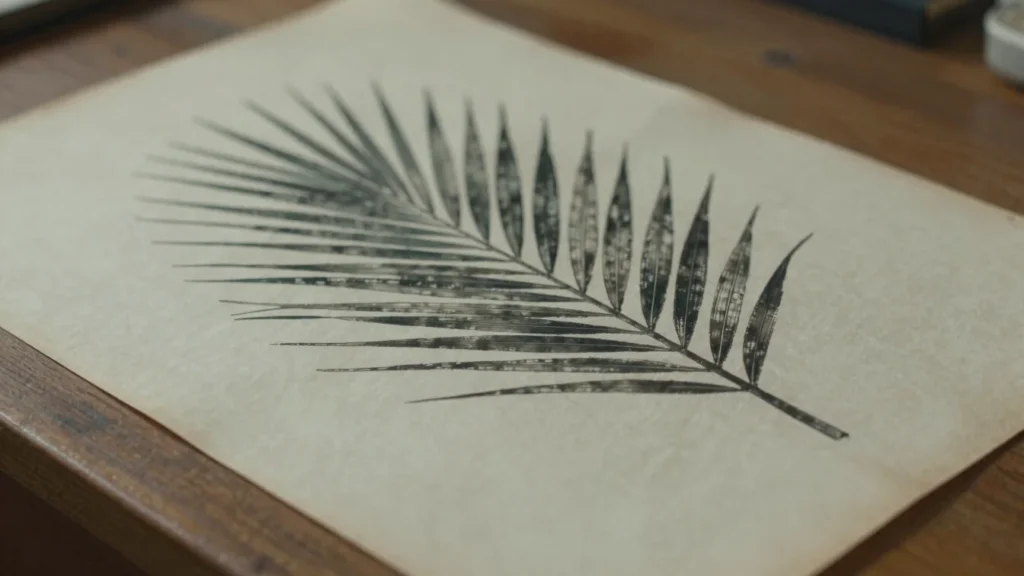
Tantric texts
Entries on canonical and regional Tantric writings, with notes on date, language, manuscript tradition, and the range of interpretations each text has received.
Historical geography
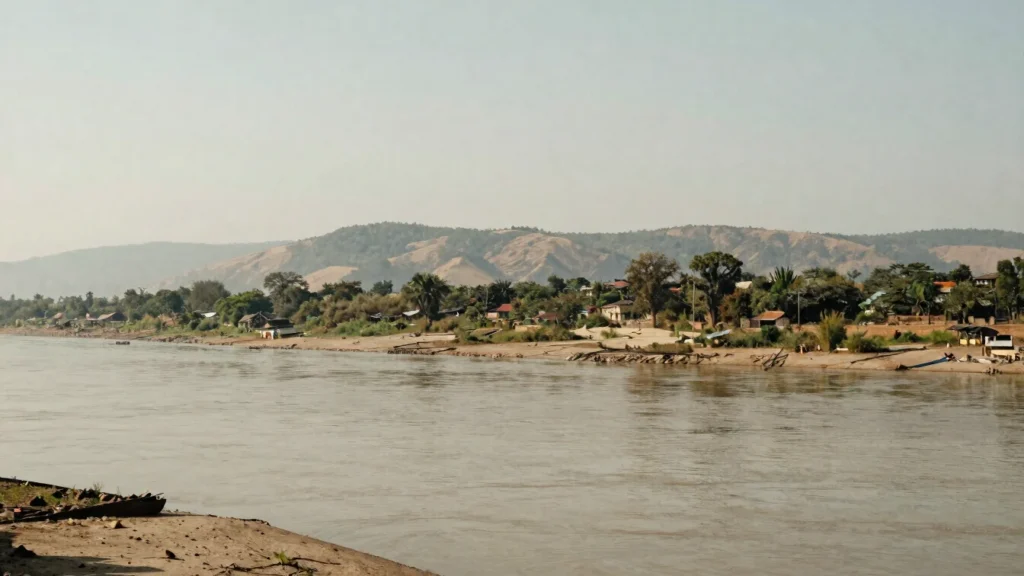
Kamarupa Mandala
Entries on the historical region identified as an early center of Tantric lineages, its rivers, settlements, and the scholarship that has mapped them.
Living communities
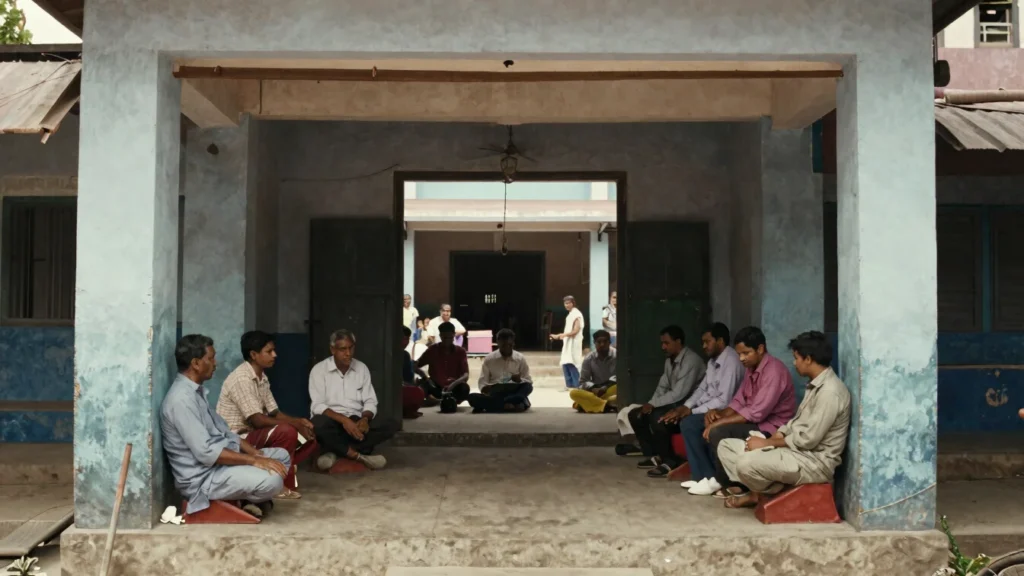
Indigenous archives
Documented profiles of the 450+ Indigenous communities of Kamarupa Mandala and of Indigenous communities worldwide, written with community self-identification and present-day context.
Historical geography
The Kamarupa Mandala and the origins of Tantra
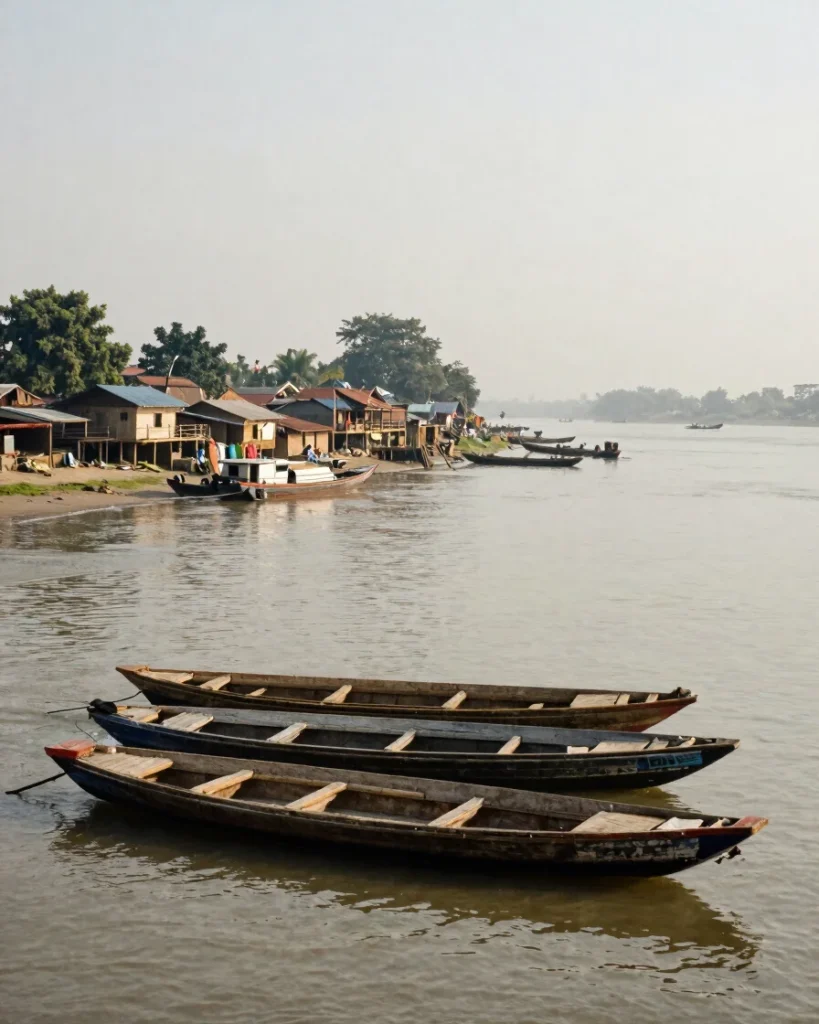
Kamarupa Mandala is studied as a historical and geographic setting along the Brahmaputra river system, where a number of early Tantric lineages are associated in the scholarly record. The evidence is uneven, and entries separate what sources state from what later writers have inferred.
Our entries trace how the region's rivers, settlements, and textual traditions shaped one another, and they note where the historical record is thin or contested.
Every claim on Tantrapedia is marked as a documented artifact, a living tradition, or an interpretive debate. A source can tell us what its author recorded; it cannot speak for every community or period, so we say where the evidence ends.
Join the research correspondence
Receive monthly entry revisions and field dispatches from the editors.